Renovation projects look exciting from the outside, but anyone who has worked on one knows the hidden challenge behind the scenes—debris. Dust, broken tiles, leftover lumber, insulation scraps, packaging, and old fixtures can pile up quickly.
This is why construction debris dumpster rental becomes one of the most important decisions you make during a renovation. Whether you are a homeowner taking on a kitchen remodel or a contractor reworking an entire property, a solid waste-management plan determines how smoothly your renovation flows.
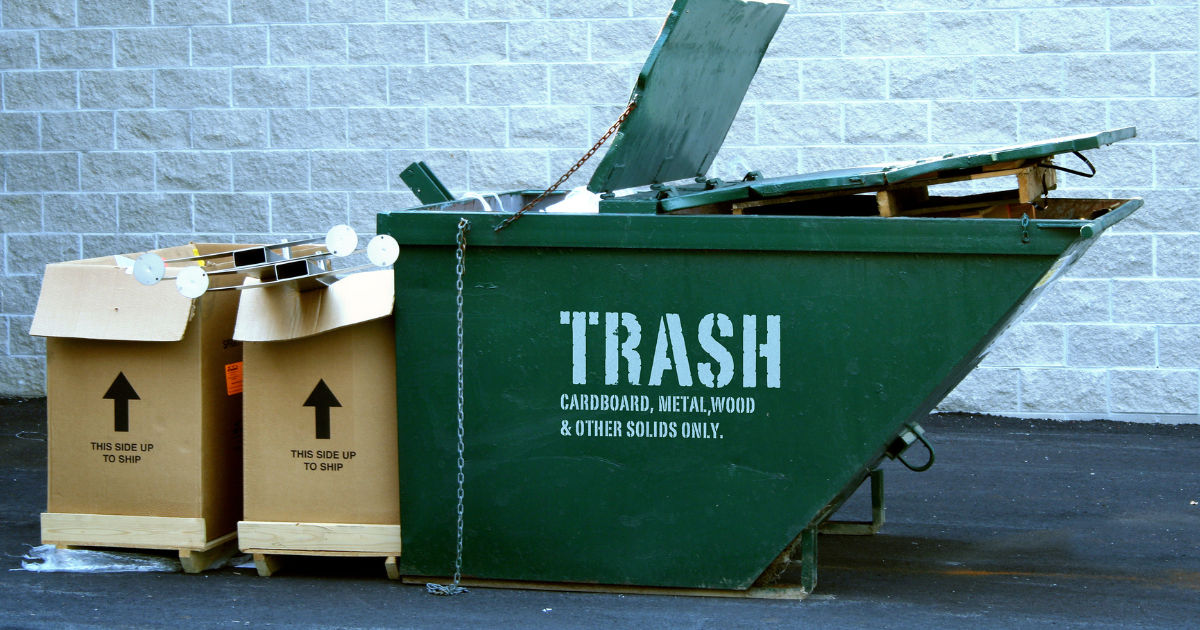
Managing renovation waste is not just about keeping the site clean. It affects your timeline, your budget, your safety, and even your legal responsibilities. The right strategy, supported by construction debris dumpster rental, saves you stress, prevents delays, and keeps your team or family safe while working in the space.
In this guide, you’ll learn everything you need to know about debris handling during a renovation. From planning and sorting to hauling and recycling, and especially how construction debris dumpster rental fits into every stage, this post lays out a complete, practical system you can use immediately.
Why Proper Debris Management Matters
Renovation waste management is more than simple cleanup. It impacts core parts of your project.
Safety on the Site
Sharp objects, broken materials, and scattered tools create a dangerous environment. People can trip, slip, or cut themselves. Using a construction debris dumpster rental keeps these hazards away from walkways, work zones, and equipment areas.
Efficiency and Productivity
A cluttered jobsite slows everything down. Workers spend time stepping around obstacles or searching for tools buried under debris. A well-placed construction debris dumpster rental reduces downtime and keeps the workflow smooth.
Compliance With Local Regulations
Cities often have strict rules about where debris can be placed, how it must be transported, and when it must be removed. Violations lead to fines. A professional construction debris dumpster rental service follows these rules for you, reducing legal risks.
Environmental Responsibility
Renovations generate waste that can harm the environment if handled poorly. A responsible construction debris dumpster rental provider often offers recycling services for wood, concrete, metal, cardboard, and more.
Understanding the Types of Construction Debris
Before you can manage debris effectively, you need to know what you’re dealing with. Different types of waste require different methods, and construction debris dumpster rental helps you categorize and dispose of them correctly.
Demolition Waste
This includes:
-
Drywall
-
Plaster
-
Old flooring
-
Framing lumber
-
Doors and windows
-
Cabinets
Demolition waste piles up fast, making construction debris dumpster rental essential right from day one.
Structural Waste
If your renovation includes wall removal, flooring replacement, roofing changes, or building new framing, you’ll face:
-
Concrete
-
Bricks
-
Rebar
-
Asphalt
-
Roofing shingles
These are heavy materials, and most construction debris dumpster rental companies offer specific dumpsters designed for high-weight loads.
Packaging and New Material Waste
Even new materials add to the debris:
-
Cardboard
-
Plastic wrap
-
Styrofoam
-
Pallets
Having a construction debris dumpster rental nearby ensures these don’t become tripping hazards.
Hazardous Waste (Handled Separately)
Some items cannot go into regular dumpsters:
-
Paint
-
Oil
-
Adhesives
-
Chemicals
-
Batteries
A good construction debris dumpster rental provider will advise you on how to dispose of these safely.
Planning Debris Management Before Renovation Starts
Smart waste management begins long before the first hammer swings.
Create a Waste Strategy
Think through:
-
What parts of the home are being removed
-
What materials you expect to replace
-
How much debris each phase produces
This helps you choose the right construction debris dumpster rental size and pickup schedule.
Choose the Right Dumpster Size
Most renovations require one of these:
-
10-yard dumpster: small bathroom or closet
-
20-yard dumpster: medium kitchen or bedroom
-
30-yard dumpster: whole-house renovation
-
40-yard dumpster: large construction or gut reroofing
A construction debris dumpster rental company can help estimate the volume based on your project scope.
Select the Ideal Location
Place your dumpster:
-
Close enough to reduce walking
-
Far enough to avoid blocking traffic
-
On stable ground
-
In compliance with city rules
Strategic placement maximizes the benefit of your construction debris dumpster rental.
Sorting Materials During Renovation
Sorting debris makes disposal easier and reduces dumping fees.
Separate Recyclables
Common recyclable items include:
-
Wood
-
Metal
-
Concrete
-
Cardboard
-
Drywall (in some areas)
Many construction debris dumpster rental companies offer split containers or multiple dumpsters for sorting.
Keep Reusable Materials Aside
Some materials can be reclaimed:
-
Old doors
-
Intact cabinets
-
Antique fixtures
-
Hardwoods
You can donate or repurpose them, reducing the amount that goes into your construction debris dumpster rental.
Maintain a Daily Clean-Up Routine
A clean site improves safety and organization. Set 15 minutes at the end of each shift to gather debris and place it in your construction debris dumpster rental.
Best Practices for Using a Dumpster on Your Reno Site
Once your dumpster arrives, you need a plan for using it correctly.
Load the Dumpster Evenly
Uneven loading can cause:
-
Spillage
-
Overweight issues
-
Safety hazards
Always distribute materials evenly inside your construction debris dumpster rental.
Break Down Large Items
Cut, fold, or disassemble:
-
Cabinets
-
Large boards
-
Long piping
-
Big cardboard boxes
This maximizes space within your construction debris dumpster rental.
Do Not Overfill
Overflowing debris leads to:
-
Extra charges
-
Pickup refusal
-
Safety risks
A reliable construction debris dumpster rental company will guide you on maximum fill limits.
Keep Hazardous Items Out
Never put chemicals or flammable items inside your construction debris dumpster rental unless the company specifically allows it.
Recycling and Sustainable Disposal
Eco-friendly waste disposal is becoming the standard.
Concrete and Masonry Recycling
Crushed concrete becomes base material for roads. Many construction debris dumpster rental services deliver these materials directly to recycling centers.
Metal Recycling
Copper, steel, and aluminum are valuable recyclables. Using your construction debris dumpster rental to gather metals keeps them out of landfills.
Wood and Lumber Recycling
Clean wood can be:
-
Chipped into mulch
-
Reused for furniture
-
Repurposed for new construction
Your construction debris dumpster rental makes the sorting process manageable.
Cardboard and Plastic Recycling
Packaging materials often form a large percentage of renovation waste. With frequent use of construction debris dumpster rental, these materials stay organized and ready for recycling.
Managing Debris in Limited-Space Renovation Areas
Small spaces can make waste handling tricky.
Use Smaller Dumpsters or Multiple Pickups
If you can’t fit a large dumpster, ask for a compact construction debris dumpster rental or schedule more frequent pickups.
Keep Walkways Clear
Use buckets or bins to transport debris to your construction debris dumpster rental when direct access is limited.
Remove Debris Frequently
Small spaces become hazardous quickly. Regularly carrying waste to your construction debris dumpster rental helps prevent clutter.
Cost Management and Budgeting
Renovation costs grow quickly. Waste disposal is a significant part of the budget.
Avoid Overfilling
Overweight fees can be high. Follow the guidelines for your construction debris dumpster rental to avoid extra charges.
Compare Service Rates
Prices vary based on:
-
Dumpster size
-
Weight limits
-
Pickup frequency
-
Distance
Make sure your construction debris dumpster rental provider is transparent about costs.
Plan for the Whole Project
It’s often cheaper to rent one larger dumpster for longer than to rent multiple smaller ones. Estimate your total needs and choose the best construction debris dumpster rental plan.
The Role of Professionals in Debris Management
Sometimes, hiring professionals saves time and money.
Dumpster Rental Professionals
A knowledgeable construction debris dumpster rental service:
-
Helps you select the right size
-
Manages delivery and pickup
-
Advises on proper loading
-
Handles recycling
Junk Removal Services
For quick cleanouts, you can combine junk removal with your construction debris dumpster rental for maximum efficiency.
Contractors and Project Managers
Experienced contractors know when and how to use construction debris dumpster rental to keep the project on schedule.
Common Mistakes to Avoid
Even a good system can fail if mistakes occur.
Renting the Wrong Size
Too small? You’ll need another dumpster. Too big? You waste money. Consult your construction debris dumpster rental provider before deciding.
Ignoring Local Regulations
Placing a dumpster illegally can lead to fines. Your construction debris dumpster rental company usually handles permits for you.
Overloading With Heavy Materials
Concrete and roofing shingles get heavy fast. Ask your construction debris dumpster rental provider about weight restrictions.
Poor Site Placement
A badly placed dumpster slows down the project. Talk to your construction debris dumpster rental provider about the best location.
How to Select the Right Dumpster Rental Company
The right provider makes debris management effortless.
Look for Clear Pricing
Transparent companies explain:
-
Delivery fees
-
Pickup fees
-
Weight limits
-
Overage charges
Good construction debris dumpster rental services always break down costs clearly.
Check Customer Reviews
Look for reliability, punctual pickups, and clean dumpsters. These are signs of a professional construction debris dumpster rental company.
Support for Recycling
Choose a provider committed to eco-friendly practices. Leading construction debris dumpster rental companies partner with recycling centers.
Availability During Your Timeline
Renovations move quickly. Make sure your construction debris dumpster rental provider can deliver or pick up on short notice.
Final Tips for Smooth Debris Management
-
Keep tools and materials separate from debris piles.
-
Train everyone on your team where to toss items.
-
Monitor the dumpster level daily.
-
Schedule a mid-project pickup to stay ahead.
-
Use protective gloves and masks while handling debris.
Your construction debris dumpster rental becomes the backbone of a clean, safe, efficient renovation site.
Conclusion
Managing construction debris is one of the most important parts of a successful renovation. It affects safety, productivity, costs, scheduling, and sustainability. With the right planning, sorting strategies, recycling efforts, and especially with a reliable construction debris dumpster rental, you can keep your site organized and hazard-free from start to finish.
Whether you’re handling small DIY work or a major property transformation, a well-managed waste-disposal system ensures your renovation runs smoother, faster, and cleaner. By choosing the right construction debris dumpster rental, placing it correctly, following safety protocols, and staying aware of recycling opportunities, you create a renovation environment that’s efficient, responsible, and safer for everyone involved.
About the Author

